
Reacting to: Social Media Influencers and Content Creators (SARS), published 21 October 2026.
SARS has published a guide and a supporting webpage aimed at social media influencers and content creators. The message is straightforward: if you earn money, products, services or other benefits from posting, promoting or creating content, SARS regards that as a business activity, and the income has to be declared. The guidance sets out what counts as taxable income, how the activity is normally structured for tax purposes, and which registrations and returns follow once money starts coming in.
Who this guidance is for
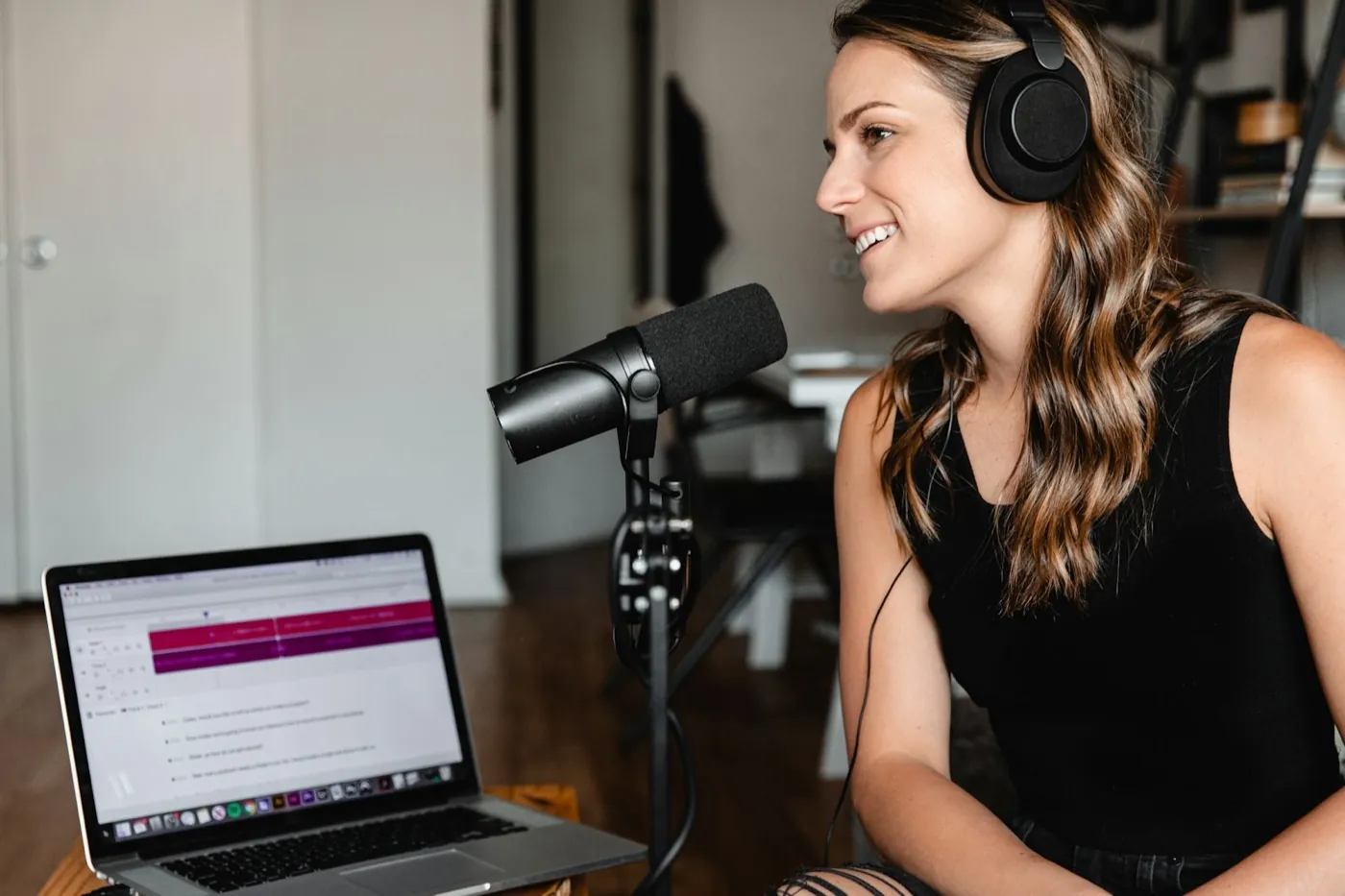
SARS draws a distinction between a social media influencer, someone with a following who can shape opinion, behaviour or purchasing decisions, and a content creator, someone who produces digital content for platforms such as YouTube, TikTok, Instagram, X, a blog or a podcast. The two overlap heavily in practice. SARS is clear that the tax position depends on the income earned, not on the number of followers or subscribers a person has. A creator with a small, loyal audience who gets paid for sponsored posts has the same obligations as one with a much larger following.
How content income is taxed
SARS generally regards an influencer or content creator earning income from their activity as carrying on a trade. That covers content creation fees, product promotion, affiliate marketing commissions, advertising revenue, sponsorships, subscriptions and brand partnerships. In most cases this income is earned by an individual acting as a sole proprietor, meaning the person and the business are legally the same thing. The income from content activity is declared on the individual's own Income Tax Return (ITR12), alongside any salary, rental or interest income they already have to declare.
Non-cash benefits count too. SARS lists cash payments and bank deposits, sponsored content fees, platform earnings, affiliate commissions and subscription income alongside products, services, vouchers, travel and accommodation received in exchange for content or promotion. All of it has to be declared, at a reasonable value where it isn't paid in cash.
Provisional tax for a content creator
Income from brand partnerships, sponsored content, affiliate marketing, platform payments or subscriptions is income outside a salary, and SARS says a person earning that kind of income may need to register as a provisional taxpayer. Provisional tax isn't a separate tax. It spreads an individual's income tax liability across the year through two IRP6 submissions, the first by 31 August and the second by 28 or 29 February. Without it, the whole bill falls due at once after the annual ITR12. SARS's own provisional tax pages set out the exclusions, so a creator with modest, occasional income should check those before assuming registration is required.
VAT and the R2.3 million threshold
A sole proprietor, including a content creator operating as one, must register for VAT once their taxable supplies pass R2.3 million in a 12-month period. Below that, registration is voluntary. Once registered, VAT201 returns are due every two months, before the 25th, with the submission periods set at registration. SARS's guidance says Category A or B suits most of these businesses.
Turnover tax as a simplified option
SARS also sets out Turnover Tax as a route open to content creators who qualify. It combines the equivalent of Corporate Income Tax and VAT into one simplified annual return, the TT03, submitted between 1 July and 31 January for a business earning under R2.3 million a year. SARS is careful to say this isn't an automatic default. A creator with income from multiple sources, including foreign platforms, agencies, affiliate programmes or sponsorships with management fees attached, needs to weigh up deductions and VAT obligations before electing into it. Turnover Tax can end up costing more than the normal system for that kind of income mix.
A year of sponsorship fees and gifted products
Here's an illustrative example. A Durban-based lifestyle content creator is paid roughly R15,000 a month across a handful of brand deals, and separately receives gifted skincare and homeware products worth around R2,500 a month that she keeps and features in her posts. Added up over a year, that's R180,000 in cash fees plus R30,000 in products, R210,000 in total taxable income once both are declared on her ITR12. None of that comes through as remuneration with tax already withheld. She needs to work out whether her income puts her inside SARS's provisional tax rules, and register for IRP6 if it does. That avoids one large bill landing after her annual return.
What to do this week
- Register for Personal Income Tax if you haven't already, through SARS eFiling, the SARS MobiApp, the SARS Online Query System, USSD (*134*7277#) or WhatsApp on 0800 11 7277.
- Start keeping contracts, invoices, bank statements, platform earnings statements, sponsorship agreements and a record of any products, travel or vouchers received in exchange for content, and keep those records for at least five years.
- Add up your cash fees and the value of any non-cash benefits for the year so far, and check SARS's provisional tax pages to see whether that total means you need to register for IRP6.
- If Turnover Tax looks appealing, work through SARS's qualifying criteria before electing into it, particularly if any of your income comes from foreign platforms or agencies.
- SARS is running a webinar for influencers and content creators on 26 November 2026 from 17:00 to 19:00; the influencer webpage is where SARS says it will post the registration details.
What is still uncertain
SARS hasn't set out a specific rand figure or follower count that marks the line between someone posting occasionally and someone carrying on a business, and says the position depends on the individual's own facts and circumstances. The guidance on Turnover Tax suitability is similarly general. It lists factors to weigh up and leaves a creator with mixed income sources needing individual advice to make the final call. SARS's webinar on 26 November 2026 may add detail on either point. We'll update this post once SARS publishes more.